
XPC vs 10ZiG RepurpOS
Convert the operating system, or just change the screen.
RepurpOS is 10ZiG's purpose-built thin-client operating system for converting PCs, laptops and third-party thin clients, with automation to migrate devices off their existing OS remotely. XPC reaches the same locked, single-purpose endpoint by installing on Windows and leaving the platform beneath it untouched.
Endpoint OS replacement · Vendor claims sourced from public documentation · Reviewed September 2026
The short answer
What is the difference between XPC and 10ZiG RepurpOS?
10ZiG RepurpOS is a Linux thin-client operating system that converts existing PCs, laptops and third-party thin clients into managed VDI endpoints, with tooling to automate the migration away from the installed OS. XPC does not migrate anything: it installs as an MSI on Windows, presents a locked and brandable access screen for the approved workspaces and services, and leaves Windows, its drivers, agents and your existing management tooling in place — so the change is reversible from a portal rather than through a reimage.
0
OS migrations
Nothing is converted; Windows stays exactly as built.
3
Steps to deploy
Log in, install the MSI, enable XPC Mode.
1
Console to learn
The XPC Cloud Portal governs XPC and nothing else.
Row by row
XPC compared with 10ZiG RepurpOS.
Each row describes what the decision changes in practice. 10ZiG capabilities are summarised from the vendor's own public documentation, linked at the foot of this page.
Product role
XPC
Windows-native access shell for approved workspaces and services
10ZiG RepurpOS
Linux thin-client OS for repurposing existing devices
What happens to Windows
XPC
Windows is retained and stays under management
10ZiG RepurpOS
The installed OS is migrated to RepurpOS
Deployment
XPC
Install the MSI, enable XPC Mode from the portal
10ZiG RepurpOS
Convert the device to RepurpOS, optionally automated through RMM tooling
Management model
XPC
Existing Windows tooling remains primary
10ZiG RepurpOS
Devices are managed in the 10ZiG management console
Local agents and peripherals
XPC
Windows agents, services and qualified peripherals remain available
10ZiG RepurpOS
Requires Linux-side support on the converted device
Branding of the user interface
XPC
Brandable per organisation, site or device group, including white label
10ZiG RepurpOS
Presentation follows the RepurpOS workspace and its options
Reversibility
XPC
Suspend XPC Mode to restore the Windows shell
10ZiG RepurpOS
Reverting to Windows is a reinstall
Strongest fit
XPC
Estates that must keep Windows compatibility and existing operations
10ZiG RepurpOS
Fleets standardising on a Linux thin-client OS across mixed hardware
Why teams choose XPC
Four reasons the simpler path wins.
Simplicity at the endpoint should not cost a platform migration, a second console or a new set of skills.
Automation still ends in a migration
Remote conversion tooling reduces the labour of an OS change, but the change still happens: new platform, new drivers, new console, new runbooks. XPC removes the change instead of automating it.
Keep proven Windows peripherals
Retail, clinical and industrial peripherals are usually qualified against Windows. XPC keeps that qualification valid.
One narrow product, one clear price
Five PCs free forever, then $2 per PC per month in USD with volume tiers — easy to pilot and easy to justify.
Reversible without touching the device
Maintenance, exceptions and troubleshooting are a portal setting, not a rebuild.
The work you do not have to do
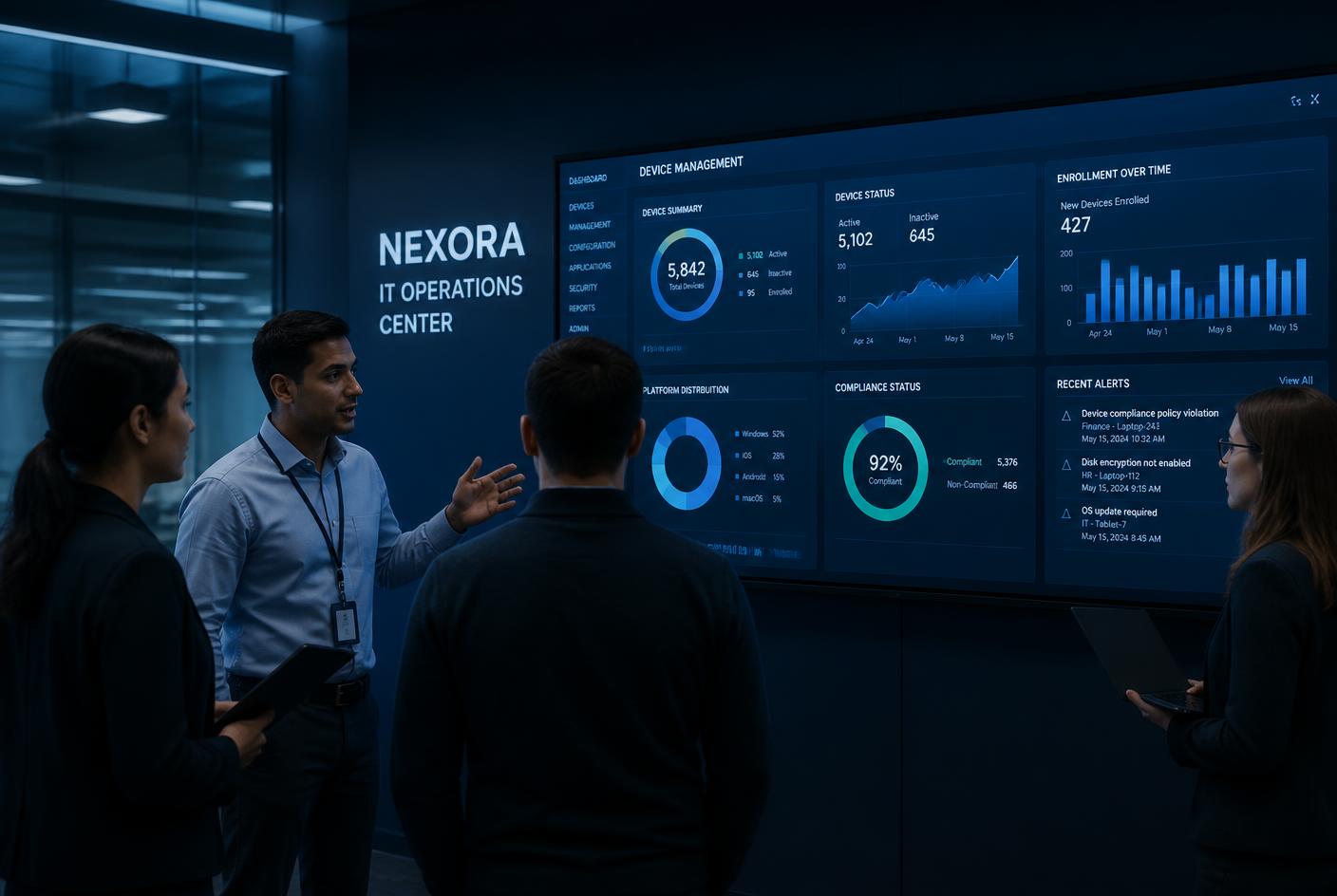
No migration project. No second console. No rollback plan to invent.
Onboarding, patching, monitoring, inventory, remote assistance, certificates, compliance reporting and recovery all keep running on the platform your team already knows.
A fair comparison
When 10ZiG RepurpOS is the better choice.
10ZiG builds a capable product and there are estates it fits better than XPC. These are the situations where we would tell you so.
- You have committed to a Linux endpoint OS across mixed hardware.
- You are standardising alongside 10ZiG thin or zero clients.
- The endpoints have no Windows-only agents, services or peripherals left to preserve.
Keep comparing
Other endpoint options, side by side.
XPC vs UniconOS
The full business case, with migration effort priced in engineer hours across a representative estate.
Read the comparisonXPC vs Microsoft Kiosk
What it actually takes to engineer a supportable kiosk from Windows features, versus installing XPC.
Read the comparisonXPC vs IGEL
IGEL replaces Windows with an immutable Linux OS managed by UMS. XPC keeps Windows and simplifies what the user sees.
Read the comparisonXPC vs ThinScale
The closest comparison: both keep Windows. XPC is a lighter, purpose-built access shell for approved remote, cloud and web-delivered workspaces, with a simple per-PC price.
Read the comparisonXPC vs Dell ThinOS
ThinOS ships on Dell thin-client hardware and is managed in Wyse Management Suite. XPC works on the Windows PCs you already own.
Read the comparisonXPC vs LEAF OS
LEAF OS repurposes old PCs by replacing Windows with Linux. XPC extends the same hardware while keeping Windows and its compatibility.
Read the comparisonXPC vs Citrix WEM Transformer
Transformer turns a WEM-managed Windows PC into a reversible kiosk for Citrix. XPC is a dedicated, platform-independent access shell built for MSPs across many unrelated remote-access backends.
Read the comparisonXPC vs Citrix Desktop Lock
Desktop Lock boots a Windows PC straight into a Citrix desktop. XPC is a platform-independent access shell built for estates and MSPs that are not all-Citrix.
Read the comparisonSources
Reviewed September 2026. Third-party capabilities are summarised from the vendor's own public documentation and may change. 10ZiG and its product names are trademarks of their respective owners; XPC is not affiliated with or endorsed by 10ZiG. Nothing on this page is a benchmark, a measured result or a commitment.
Why add another operating system?Windows Loves Windows
Thin-client simplicity, without leaving Windows.
Five PCs are free forever. Log in to the XPC Cloud Portal, install the MSI, enable XPC Mode.