
XPC vs IGEL OS
One replaces your endpoint operating system. One installs on it.
IGEL OS 12 is a modular, immutable Linux endpoint OS with its own management suite and app-delivery model. XPC is Windows-native software that turns the Windows PCs you already manage into a controlled gateway to the approved remote, cloud and web-delivered workspaces your users need — no reimage, no second platform, no new operating model.
Endpoint OS replacement · Vendor claims sourced from public documentation · Reviewed September 2026
The short answer
What is the difference between XPC and IGEL OS?
IGEL OS is a Linux endpoint operating system that replaces Windows on the device and is managed centrally through the IGEL Universal Management Suite. XPC is Windows-native thin-client software: Windows, Citrix Workspace, your RMM, endpoint security, drivers, peripherals and agents all stay in place, and XPC presents a single locked, brandable access screen on top. Choose IGEL when you want to leave Windows behind on the endpoint. Choose XPC when you want thin-client simplicity without an operating-system migration.
0
Endpoints reimaged
XPC installs as an MSI on the Windows build you already ship.
3
Steps to deploy
Log in to the XPC Cloud Portal, install the MSI, enable XPC Mode.
1
Management stack
Your existing Windows tooling keeps managing the device underneath.
Row by row
XPC compared with IGEL OS.
Each row describes what the decision changes in practice. IGEL capabilities are summarised from the vendor's own public documentation, linked at the foot of this page.
Product role
XPC
Presents multiple approved workspace, cloud and web services through one controlled Windows endpoint
IGEL OS
Immutable Linux endpoint OS plus a management suite and app portal
What happens to Windows
XPC
Windows stays, fully managed and fully compatible
IGEL OS
Windows is removed from the endpoint and replaced by IGEL OS
Deployment
XPC
Install the MSI, enable XPC Mode from the portal
IGEL OS
Qualify hardware, then convert or provision the device onto IGEL OS
Management model
XPC
Existing Windows RMM, patching, scripting and remote support continue unchanged
IGEL OS
Endpoints are administered through IGEL UMS profiles and app configuration
Apps and agents on the device
XPC
Windows-native agents, services and plugins remain available, subject to normal compatibility
IGEL OS
Requires a supported IGEL app, partner integration or Linux package
Drivers and peripherals
XPC
Keeps the Windows driver ecosystem and already-qualified devices
IGEL OS
Requires IGEL-supported hardware and peripheral compatibility
Team skills required
XPC
Windows skills your team already has
IGEL OS
Linux endpoint platform and UMS administration skills
Branding of the user interface
XPC
Fully brandable per organisation, site or device group — logo, colours, wallpaper and wording
IGEL OS
Presentation follows the IGEL desktop and its supported theming options
Reversibility
XPC
An authorised admin suspends XPC and the standard Windows shell returns
IGEL OS
Going back to Windows is an OS migration or reimage
Strongest fit
XPC
Mixed Windows estates, MSPs, POS, specialist peripherals, teams avoiding an OS project
IGEL OS
Large standardised VDI fleets committed to a Linux endpoint platform
Why teams choose XPC
Four reasons the simpler path wins.
Simplicity at the endpoint should not cost a platform migration, a second console or a new set of skills.
No operating-system project to fund
An endpoint OS change is testing, hardware qualification, peripheral validation, agent replacement, retraining and a rollback plan. XPC skips all of it because the operating system underneath does not change.
One management platform, not two
IGEL endpoints are managed in UMS alongside whatever still manages your Windows servers and laptops. XPC endpoints stay in the tooling your team already uses every day.
Windows compatibility stays intact
Line-of-business peripherals, vendor services, EDR agents, print drivers and application-control policies keep working because they are still running on Windows.
Reversible in minutes
If a device needs a full desktop for maintenance or an exception, XPC Mode is suspended from the portal and the normal Windows shell returns. No reimage, no truck roll.
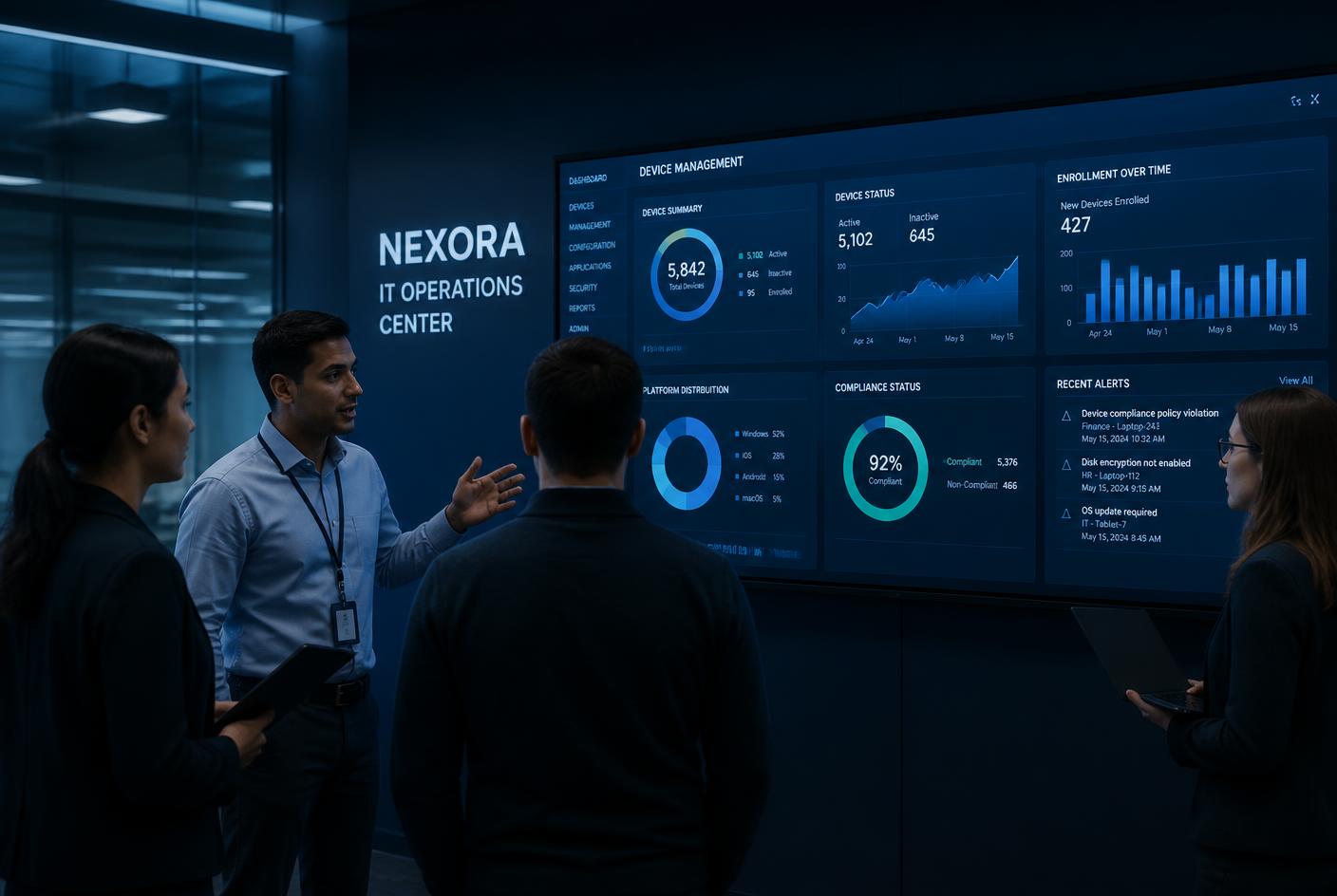
The work you do not have to do
No migration project. No second console. No rollback plan to invent.
Onboarding, patching, monitoring, inventory, remote assistance, certificates, compliance reporting and recovery all keep running on the platform your team already knows.
A fair comparison
When IGEL OS is the better choice.
IGEL builds a capable product and there are estates it fits better than XPC. These are the situations where we would tell you so.
- You have already decided to move endpoints off Windows entirely.
- You want an immutable, read-only endpoint OS as a security control in its own right.
- Your fleet is large, standardised and bought against a supported-hardware list.
- You want app delivery and endpoint policy managed from one Linux-centric platform.
Before immutability decides it for you
An immutable image is a legitimate design choice, but it covers less than the marketing suggests. It is frequently deployed as a dual boot alongside Windows, reset-on-reboot is recovery rather than prevention, local browsers that keep bookmarks and extensions reintroduce persistence, and physical access is the same problem on any operating system. It also governs the OS image, not what an approved application may run, reach or send — which is exactly what deny-by-default application control on a managed Windows endpoint addresses, for a few dollars per endpoint per month and with no platform change.
How we answer the immutability argumentKeep comparing
Other endpoint options, side by side.
XPC vs UniconOS
The full business case, with migration effort priced in engineer hours across a representative estate.
Read the comparisonXPC vs Microsoft Kiosk
What it actually takes to engineer a supportable kiosk from Windows features, versus installing XPC.
Read the comparisonXPC vs ThinScale
The closest comparison: both keep Windows. XPC is a lighter, purpose-built access shell for approved remote, cloud and web-delivered workspaces, with a simple per-PC price.
Read the comparisonXPC vs Dell ThinOS
ThinOS ships on Dell thin-client hardware and is managed in Wyse Management Suite. XPC works on the Windows PCs you already own.
Read the comparisonXPC vs LEAF OS
LEAF OS repurposes old PCs by replacing Windows with Linux. XPC extends the same hardware while keeping Windows and its compatibility.
Read the comparisonXPC vs 10ZiG RepurpOS
RepurpOS converts PCs to a Linux thin-client OS. XPC gets the same focused endpoint without a migration or a new console.
Read the comparisonXPC vs Citrix WEM Transformer
Transformer turns a WEM-managed Windows PC into a reversible kiosk for Citrix. XPC is a dedicated, platform-independent access shell built for MSPs across many unrelated remote-access backends.
Read the comparisonXPC vs Citrix Desktop Lock
Desktop Lock boots a Windows PC straight into a Citrix desktop. XPC is a platform-independent access shell built for estates and MSPs that are not all-Citrix.
Read the comparisonSources
Reviewed September 2026. Third-party capabilities are summarised from the vendor's own public documentation and may change. IGEL and its product names are trademarks of their respective owners; XPC is not affiliated with or endorsed by IGEL. Nothing on this page is a benchmark, a measured result or a commitment.
Why add another operating system?Windows Loves Windows
Thin-client simplicity, without leaving Windows.
Five PCs are free forever. Log in to the XPC Cloud Portal, install the MSI, enable XPC Mode.