PC repurposing
Convert a PC into a thin client without wiping it.
The usual advice is to replace the operating system to squeeze more years out of old hardware. There is a simpler route: keep Windows, remove the desktop, and let the machine do the one job you still need from it.
The short answer
How do I convert an old PC into a thin client?
There are two routes. You can replace the installed operating system with a Linux thin-client OS, which frees resources but ends Windows compatibility and requires a reimage. Or you can install XPC on the existing Windows build and enable XPC Mode, which leaves Windows, its drivers, its agents and your management tooling intact and gives the user a locked, branded access screen instead of a desktop. The second route takes minutes per device, needs no bench time, and can be reversed centrally if the machine is needed as a full PC again.
No
Reimage required
The device keeps the Windows build it already has.
Minutes
Per device
Deployed through the software-distribution method you already use.
Reversible
From the portal
Suspend XPC Mode and the standard Windows desktop returns.
Why the reimage route costs more than it looks
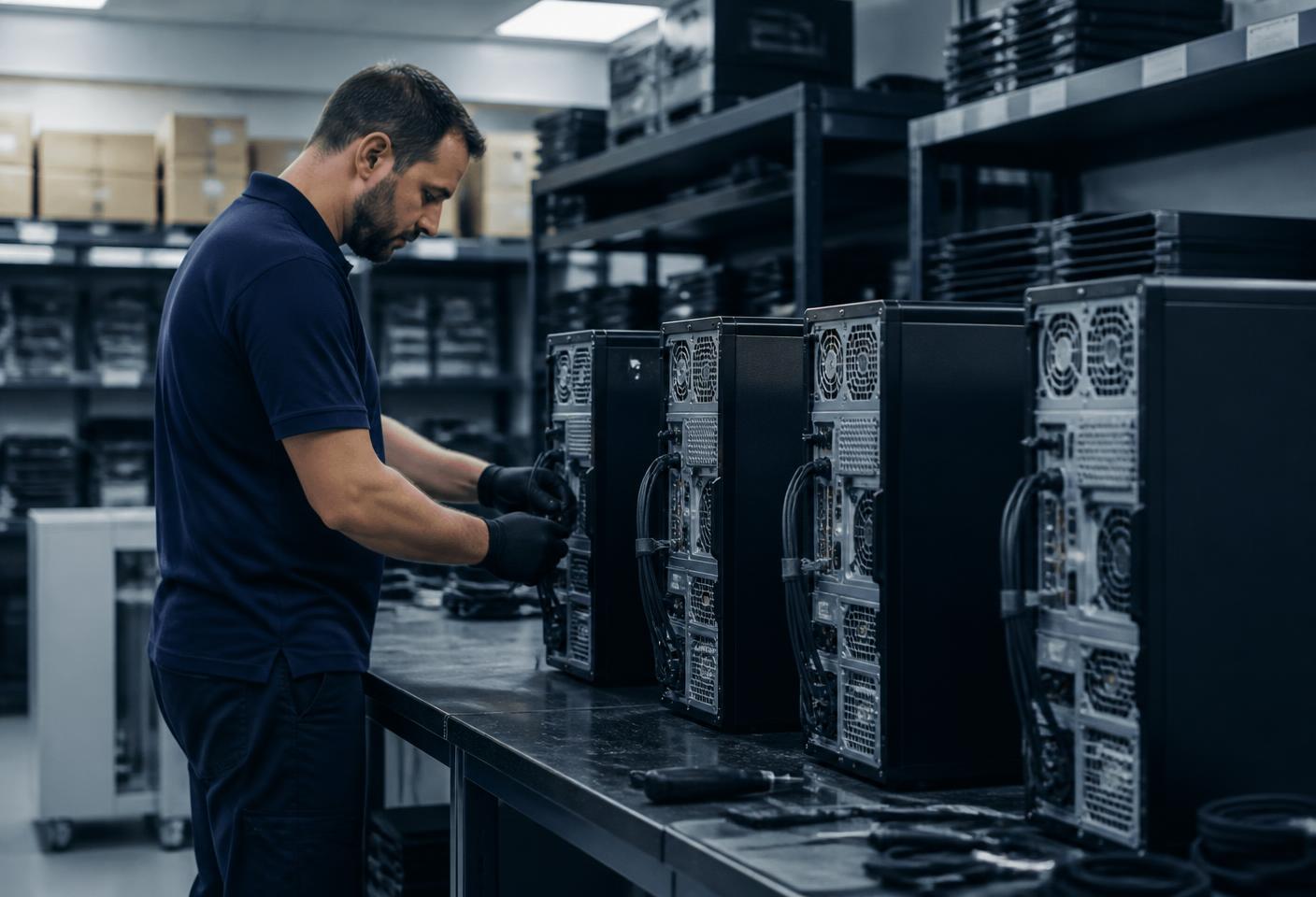
Replacing the endpoint OS is rarely just the reimage. It brings hardware qualification, peripheral and driver retesting, a second management platform, new runbooks, service-desk retraining and a rollback plan — and it usually needs the device on a bench.
What repurposing with XPC actually involves
Log in to the XPC Cloud Portal, deploy the MSI, enable XPC Mode for the device group. The machine keeps its name, its domain membership, its agents and its patch history, and appears in your existing inventory exactly as it always has.
Good candidates
Any PC that still boots reliably and runs a session client is a candidate: end-of-lease desktops, machines too slow for modern local workloads, back-office and shop-floor devices, and hardware inherited through an acquisition.
- Devices due for refresh purely because local performance has degraded.
- Shared or shift-work desks where nobody owns the machine.
- Sites where a hardware refresh cannot be scheduled soon.
The sustainability argument
Deferring a refresh is the most straightforward carbon reduction available to an IT team, because the largest share of a device's footprint is in its manufacture. Extending service life is measurable and easy to explain to a board.
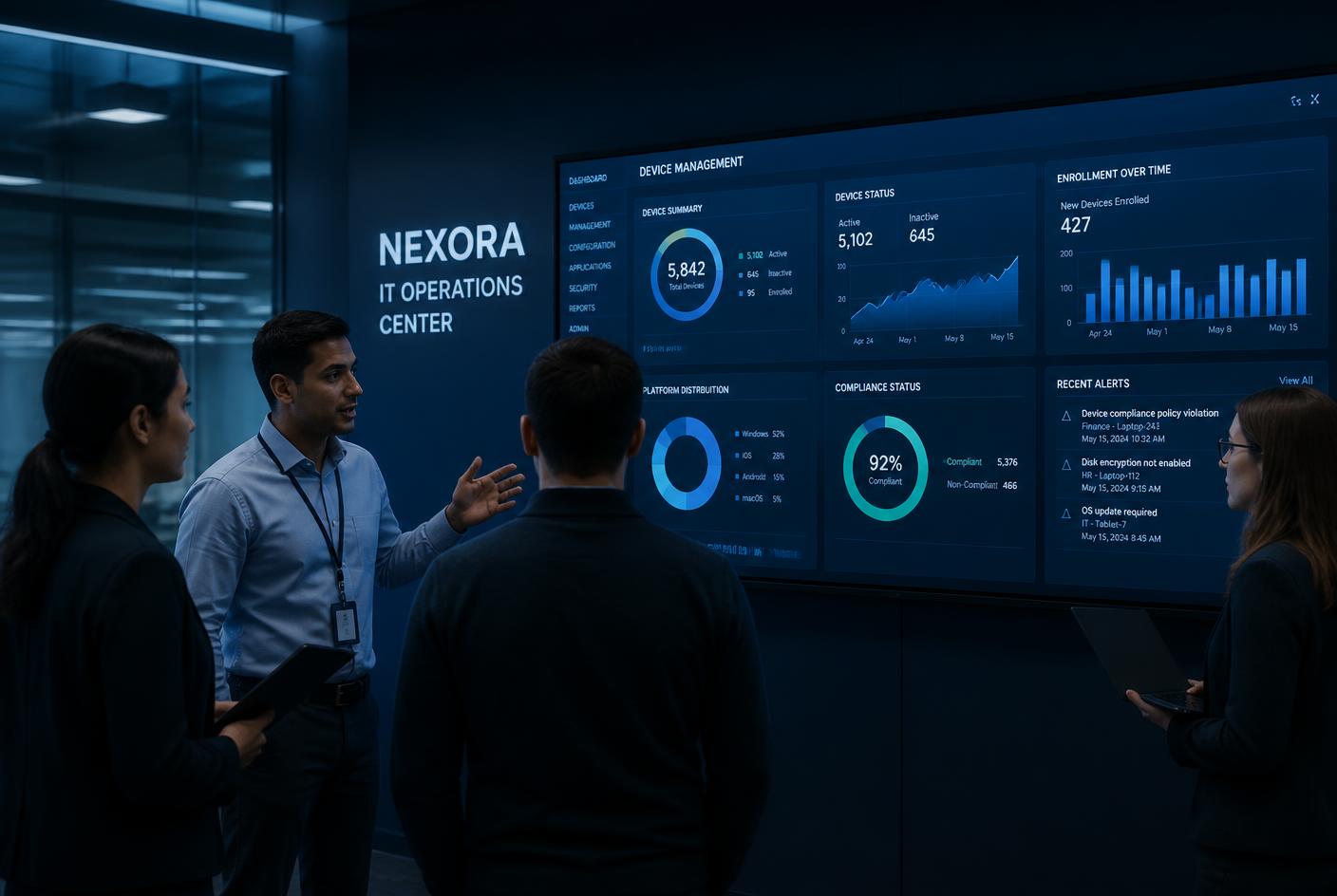
Extend, don't replace
Get more years from hardware you have already paid for.
No bench time, no reimage, no new management platform — and the change is reversible from a portal.
Questions we are asked
Straight answers.
Do I have to wipe the PC to use XPC?
No. XPC installs onto the existing Windows build as an MSI and does not require a reimage.
Will the PC still appear in my existing management tools?
Yes. Domain membership, agents, inventory and patch history are unchanged.
What are the hardware requirements?
If the device runs a supported Windows build and its session client acceptably today, it is generally a suitable access endpoint.
Can I undo it later?
Yes. Suspending XPC Mode from the portal returns the standard Windows desktop, so a device can be re-tasked without a rebuild.
Keep reading
Related guides.
Windows thin client
Turn the Windows PCs you already own into focused thin-client endpoints — without replacing the operating system.
Read the guideCitrix endpoints
A focused, brandable Citrix access endpoint on existing Windows PCs, with Workspace app and its optimisations left intact.
Read the guideRDP & RDS endpoints
Give RDP and Remote Desktop Services users one locked screen that launches the right session, on hardware you already own.
Read the guideAVD & Windows 365
A focused endpoint for Azure Virtual Desktop and Windows 365 Cloud PCs, running on the Windows devices you already manage.
Read the guideOther VDI platforms
Horizon, Amazon WorkSpaces, Parallels RAS or a browser workspace — XPC presents whatever client or URL you approve.
Read the guideReplace Windows, or keep it?
An honest look at when replacing the endpoint OS is the right call — and when it is an expensive way to buy a simpler screen.
Read the guideCompare the alternatives
XPC against IGEL, UniconOS, ThinScale, Dell ThinOS, LEAF OS, 10ZiG and Microsoft kiosk features.
See all comparisonsThin-client simplicity, without leaving Windows.
Five PCs are free forever. Log in to the XPC Cloud Portal, install the MSI, enable XPC Mode.